
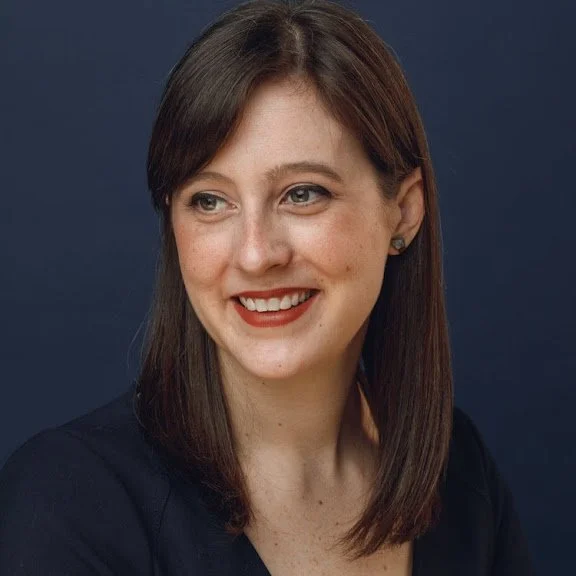
I do research at the front end of medical devices.
Years before a device reaches a patient, someone has to decide what problem it’s solving and for whom. That’s the room I work in.
What I do
-
I'm brought in at the inception of a product, before there are design requirements, sometimes before there's a category. I run the studies that establish what's actually needed, then test and iterate prototypes against it. In medical devices this means working inside human factors and regulatory constraints from day one rather than retrofitting for them later.
-
Clinicians, engineers, regulatory, marketing, and patients each describe the same problem in incompatible terms. A large part of my job is producing the one story of the problem that all of them recognize as true.
-
MR patient experience, MR coils, interventional cardiology, hospital operations, AI clinical decision support tools, and diagnostic radiology. Both hardware and software.
Background
I'm an Architect of User Experience Research at GE Healthcare, a senior individual contributor role. Most of that work is confidential until launch several years later, so what you'll find here is how I work rather than what I shipped. I add specifics as they become public. Before GE, I…
led design research and strategy for AI-enabled radiology at IBM Watson Health;
taught undergraduate design research as an adjunct at Tufts and RISD;
earned a Master's in Industrial Design from the Rhode Island School of Design and a Bachelor's in Cultural Anthropology from Northwestern;
ran audience research and evaluation for museums including the Detroit Institute of Arts, the Shedd Aquarium, the Chicago History Museum, and the Exploratorium;
was formerly an aspiring opera singer and I’m still an active classical musician!
I was trained to take people's own account of their lives seriously before deciding what their problem is, and I've never found a technology context where that stopped being the hard part.
What I’m working towards
I care about how emerging technology can improve equitable access to quality healthcare while reducing provider fatigue. I am skeptical of solutions that only work for the patients who already have economic and geographic access to care.
I have a particular stake in women's health and in democratizing access to early detection screening. I'm a breast cancer survivor, an experience that gave me a patient's understanding of the systems I'd already spent a decade designing for. Since joining GE, I went from breast cancer patient to working on a breast cancer device in less than three years.